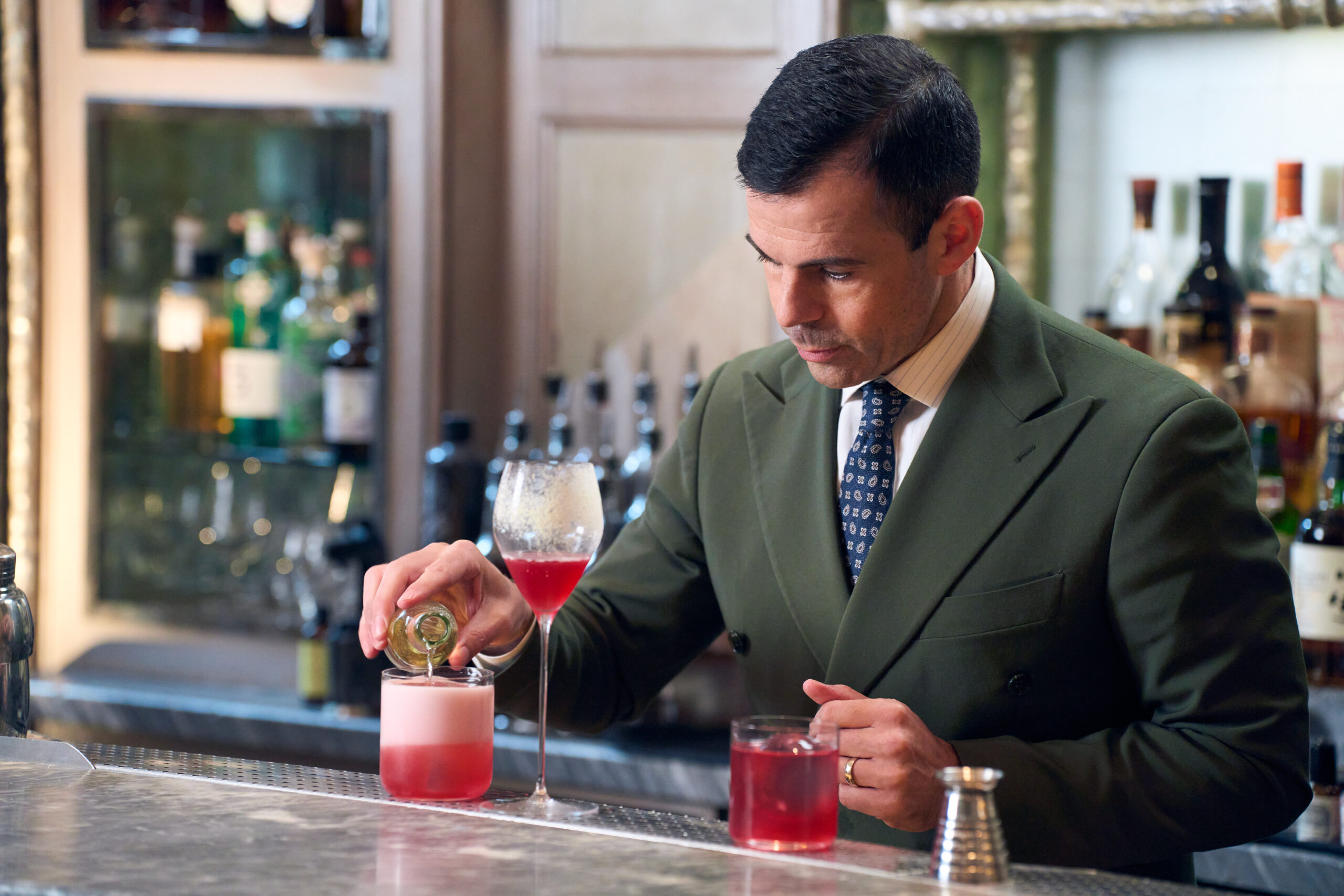
When it comes to crafting the perfect cocktail or serving drinks at a bar, two common terms often arise: mixologist and bartender.
While they may seem interchangeable these two roles are distinct in their responsibilities, skills, and approach to the art of drink-making. So, what’s the difference between a bartender and a mixologist? Let’s explore the nuances of both professions and discover what sets them apart.
What is a mixologist?
A mixologist is a professional who specialises in the art of crafting cocktails. Unlike a bartender who primarily serves drinks, a mixologist delves deeper into the craft of mixing, experimenting, and creating new drink recipes. Mixology is the study and practice of mixing drinks, and it involves knowledge of ingredients, techniques, and presentation. A cocktail mixologist is often highly skilled and passionate about creating unique and innovative cocktails, using fresh ingredients and advanced techniques.
Ago Perrone explains in his BBC Maestro course Mastering Mixology, that for him “mixology is about so much more than combining ingredients in a glass. It involves all the senses. It is about connecting with history and honouring the roots of the world’s classic cocktails while creating new twists to excite the palate”.
Mixologists are seen as ‘drink artists’ who experiment with flavours, textures, and garnishes to offer an elevated drinking experience. They often design signature cocktails and are known for their creativity and attention to detail. If you’ve ever been to a speakeasy or high-end cocktail bar, you may have encountered a cocktail mixologist who made your drink feel like an experience rather than just a simple drink order.

Key characteristics of a mixologist:
- Expertise in mixing drinks and creating unique cocktail recipes.
- Deep knowledge of spirits, liqueurs, bitters, syrups, and garnishes.
- Focus on creativity and presentation.
- Passion for experimenting with new ingredients and techniques.
- Often creates custom cocktails for events or bars.
What is a bartender?
A bartender is a professional who serves drinks to customers, typically at a bar or pub. Bartenders are responsible for preparing and serving a wide range of alcoholic and non-alcoholic beverages. While bartenders need to know how to mix cocktails, their role is more centred on customer service and efficiency. In addition to making drinks, bartenders often engage with patrons, take orders, and ensure that the bar area is well-stocked and clean.
A bartender’s job description generally includes tasks such as pouring beers, mixing cocktails, handling cash, maintaining cleanliness, and interacting with customers. Bartenders may also work with a cocktail barman in more specialised settings, but their primary responsibility is to ensure a smooth and efficient service at the bar.
Key characteristics of a bartender:
- Expertise in a wide range of drinks, including beer, wine, and basic cocktails.
- Focus on customer service, ensuring a welcoming and efficient atmosphere.
- Quick and efficient in mixing drinks and handling multiple orders.
- Responsible for maintaining the cleanliness and organisation of the bar area.
- May not always focus on creativity, but still needs to have a good knowledge of cocktail recipes.
Mixologist vs bartender jobs
While both roles are critical in the hospitality industry, the difference between bartenders and mixologists lies in their level of expertise and the type of service they provide. A bartender’s job is often about speed, efficiency, and providing a great customer experience, whereas a mixologist’s role involves a deeper understanding of ingredients, flavours, and the intricate process of cocktail creation.
Responsibilities of a mixologist:
- Creating signature cocktails: A mixologist’s expertise lies in developing unique and custom drinks that set a bar apart from others. They may design seasonal cocktails or even collaborate with chefs to pair drinks with food.
- Experimenting with flavours: Mixologists often experiment with new ingredients, including exotic fruits, spices, herbs, and house-made syrups, to create innovative drinks that surprise and delight guests.
- Advanced techniques: A mixologist may employ advanced techniques such as shaking, stirring, muddling, infusing, and garnishing with precision to enhance the drink experience.
- Customer engagement: While a mixologist may not interact with guests as much as a bartender, they often work in upscale establishments where their expertise is showcased through the presentation and explanation of drinks.
Responsibilities of a bartender:
- Serving drinks: A bartender’s primary task is to quickly serve drinks to customers. This includes everything from pouring beer to mixing classic cocktails like mojitos, margaritas, and martinis.
- Customer service: Bartenders engage with customers, take drink orders, handle payments, and ensure patrons have an enjoyable experience.
- Managing the bar: Bartenders are responsible for keeping the bar stocked, ensuring cleanliness, and managing inventory.
- Basic cocktail preparation: While bartenders may have a broad knowledge of cocktail recipes, they focus more on efficiency and multitasking rather than innovation and experimentation.
Can a bartender be a mixologist?
It’s entirely possible for a bartender to also be a mixologist. In fact, many bartenders evolve into mixologists as they gain experience and refine their craft. Becoming a skilled mixologist requires continuous learning and practice, including mastering advanced techniques and exploring new ingredients.
That said, not all bartenders aspire to become mixologists. Some prefer the fast-paced environment of traditional bartending and enjoy focusing on customer service and efficiency.
It’s important to note that a person who makes cocktails at a bar does not necessarily need to have the same level of expertise as a mixologist. While a mixologist is a specialised expert in cocktail crafting, bartenders are generalists who are well-rounded in various aspects of bar service.
What is a skilled bartender called?
A skilled bartender may be referred to as a cocktail barman or simply an experienced bartender. While the term ‘bartender’ is most used, some people prefer using the term ‘barman’ (especially in the UK and other parts of the world) to describe someone with significant experience in drink preparation and customer service. A cocktail barman is expected to have advanced skills in mixing cocktails and understanding the ingredients that go into creating the perfect drink. A bartender with significant experience may also work in higher-end establishments where they collaborate with mixologists to create refined cocktails.

What are the three styles of bartenders?
Bartenders can be categorised into three main styles based on their skills and approach to drink-making:
- The classic bartender: This bartender is well-versed in traditional drink-making techniques and classic cocktails. They focus on executing time-honoured recipes like martinis, old fashioneds, and highballs, often working in establishments where these drinks are the focal point.
- The modern bartender: These bartenders are skilled in mixing contemporary cocktails and experimenting with new ingredients. They often work in upscale bars or cocktail lounges, where creativity and innovation are key. Some modern bartenders may also develop signature cocktails and incorporate techniques like molecular mixology.
- The mixologist: As previously discussed, mixologists take their expertise to the next level, specialising in the artistry of cocktail creation. They are focused on using the finest ingredients, developing complex flavours, and creating memorable drink experiences.
Does a mixologist have a degree?
While there is no formal degree required to become a mixologist, many mixologists pursue advanced training or certifications to hone their skills. Some attend bartending schools or take specialised courses in mixology, where they learn about spirits, flavour pairing, and advanced techniques. Additionally, some mixologists choose to obtain a mixologist permit, which is a certification that may be required to work in certain high-end establishments or in places with strict alcohol regulations.
A mixologist’s education typically comes from years of practice, experimentation, and a deep passion for the craft. Many successful mixologists build their expertise through hands-on experience and learning from others in the industry.
Whether you’re enjoying a quick drink at a bar or savouring a meticulously crafted cocktail, both the bartender and the mixologist play vital roles in delivering a great experience. The key distinction between each role lies in the level of expertise, creativity, and knowledge of drink-making that each profession brings to the table.
Discover the world of cocktails with global sensation, bartender and expert Ago Perrone on his BBC Maestro course Mastering Mixology.
See related courses
All Courses-

Ago Perrone
Mastering Mixology
-

Jancis Robinson
An Understanding of Wine
-

Vineet Bhatia
Modern Indian Cooking
-

Marco Pierre White
Delicious Food Cooked Simply
-

Pierre Koffmann
Classic French Bistro Cooking
-

Beata Heuman
Interior Design
-

Marco Pierre White
Delicious Vegetarian Cooking
-

Richard Bertinet
Bread Making


