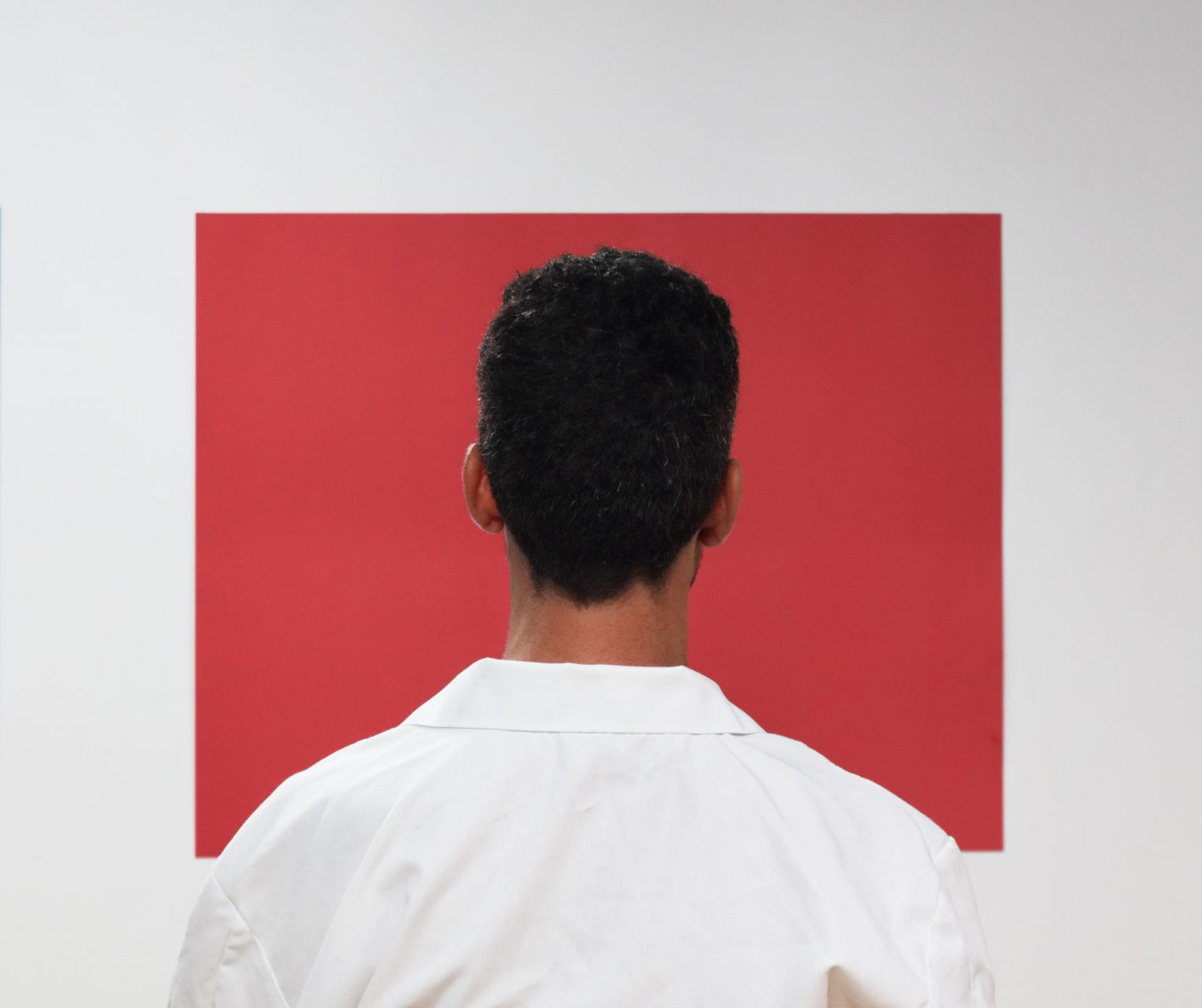
Creative flow is often described as a peak state – a moment when ideas move effortlessly, focus deepens, and time seems to fall away. In these moments, work feels intuitive rather than strained. You’re not pushing for ideas; they arrive fully formed.
Yet for many people, creative flow feels increasingly hard to reach. The more pressure there is to be productive, original or inspired, the more blocked creativity can become. You sit down to work with good intentions, only to feel distracted, restless or mentally exhausted.
According to Marina Abramović, this struggle comes from a misunderstanding. Across more than six decades of artistic practice, she has learned that creative flow cannot be forced – but it can be facilitated. It’s not something you summon through effort alone, but something that emerges when the right conditions are in place.
So how do you get into flow? The answer begins not with thinking, but with presence.
What is creative flow?
Creative flow – sometimes called a flow state – is a state of total absorption. Your attention is fully anchored in what you’re doing. Self-consciousness fades. Internal chatter quietens. Action feels natural rather than effortful.
While flow is often discussed as a mental phenomenon, Abramović approaches it differently. In her work, flow is an embodied state – one that involves the body, the breath and the nervous system as much as the mind.
When body and attention align, creativity follows.
This is why trying to “think your way into flow” so often backfires.
Why forcing creativity doesn’t work
One of the most persistent myths around creativity is that it should be constant. That disciplined people, or “true creatives”, are always able to produce on demand.
Abramović rejects this idea entirely.
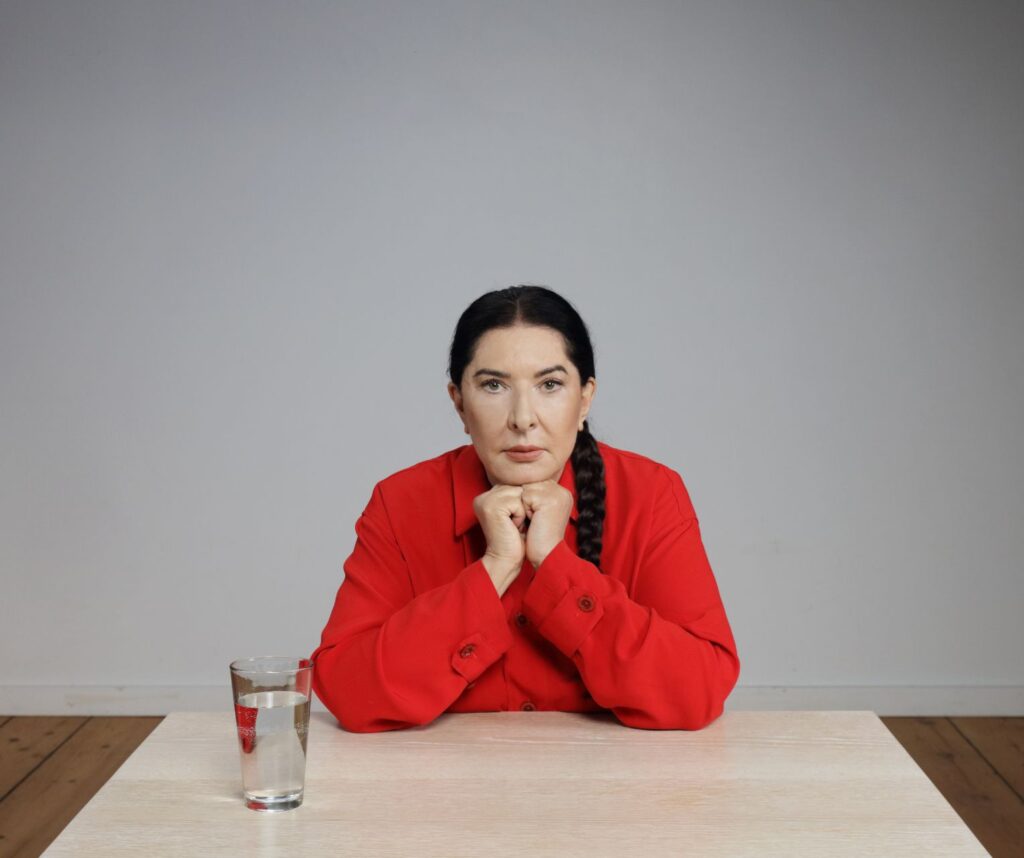
In her course, The Art of Being Present, she explains that periods of creative fatigue are not signs of failure. They are signals. When ideas dry up, it usually means the body is tired, overstimulated or disconnected from lived experience.
Creativity, she says, does not come from desks, studios or screens. Ideas come from life – from nature, movement, stillness, and attention. When you try to force ideas while depleted, the process becomes intellectual rather than intuitive. The work loses vitality.
Understanding this is essential to understanding how to get into flow.
Creative flow begins in the body
If creative flow is a state of presence, then the most reliable way into flow is not through more thinking, but through the body.
One of Abramović’s core principles is simple: when the body slows down, the mind follows.
This is why so many of her flow state techniques begin with physical actions – breathing, walking, sitting, drinking water. These are not symbolic gestures. They are ways of regulating attention.
When breathing becomes slower and more conscious, thinking begins to soften. In the brief space between thoughts, presence appears. This gap – however fleeting at first – is where creative flow starts.
Instead of asking, “How can I be more creative?”, Abramović encourages a different question:
“What state am I in right now?”
Flow state technique 1: Do one thing at a time
Modern life trains us to fragment our attention. Even when we’re focused on a task, part of our awareness is elsewhere – checking notifications, anticipating the next demand, or worrying about outcomes.
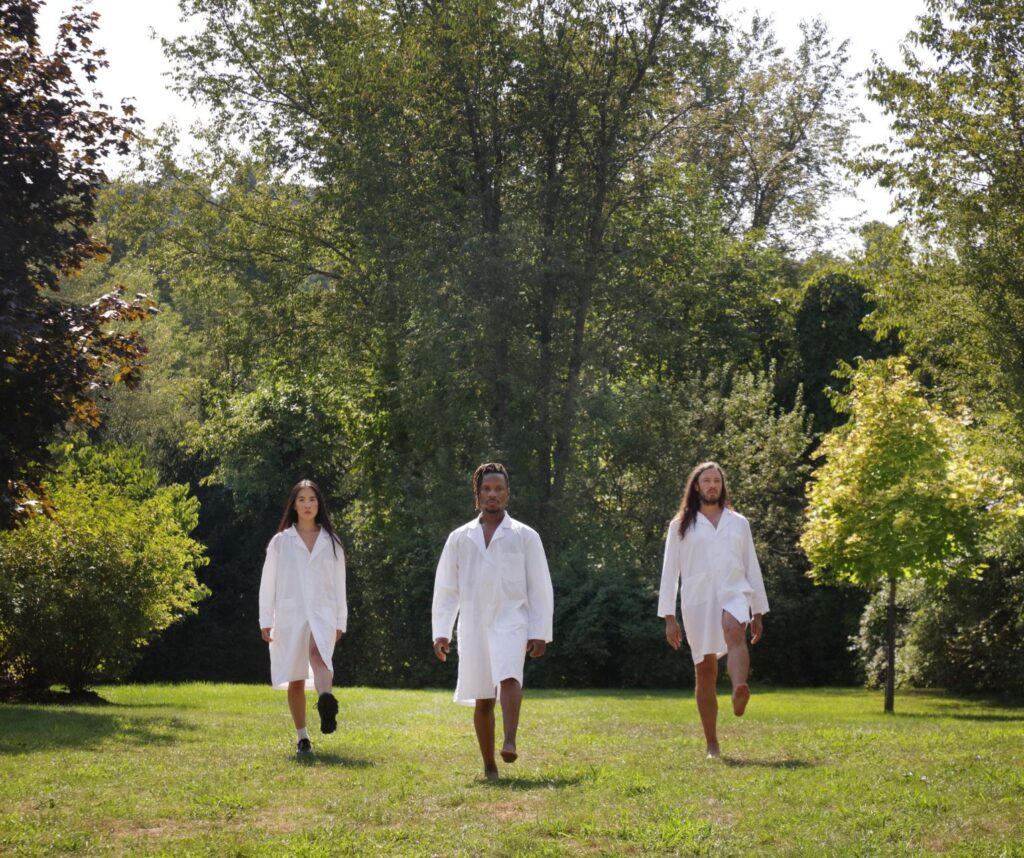
Abramović’s practice of slow walking directly challenges this habit. By walking far more slowly than usual, attention is forced into the present moment. Each movement becomes deliberate. Thought loses its momentum.
This principle applies far beyond walking.
Drinking a glass of water without distraction. Writing your name continuously without lifting the pen. Opening and closing a door with full attention. These simple acts retrain the nervous system to stay with a single experience.
Creative flow thrives in this kind of sustained, undivided attention.
Flow state technique 2: Repetition and duration
Many of Abramović’s exercises rely on repetition and long duration. Not to produce something, but to exhaust the mind’s resistance.
At first, repetition feels boring. Then uncomfortable. Then irritating. But if you stay with it, something shifts. Thinking loosens its grip. Time begins to feel different.
This is why repetition plays such a central role in performance art – and why it’s so effective for accessing flow.
The mistake many people make is stopping just before this shift occurs. Flow rarely arrives immediately. It emerges after impatience.
Why nature restores creative flow
When creative energy feels blocked, Abramović advises stepping away from work altogether and returning to nature.
In her course, she speaks repeatedly about the restorative power of natural environments – rivers, forests, deserts, mountains. Places where the nervous system can recalibrate without constant stimulation.
Nature offers something essential for creative flow: nothingness.
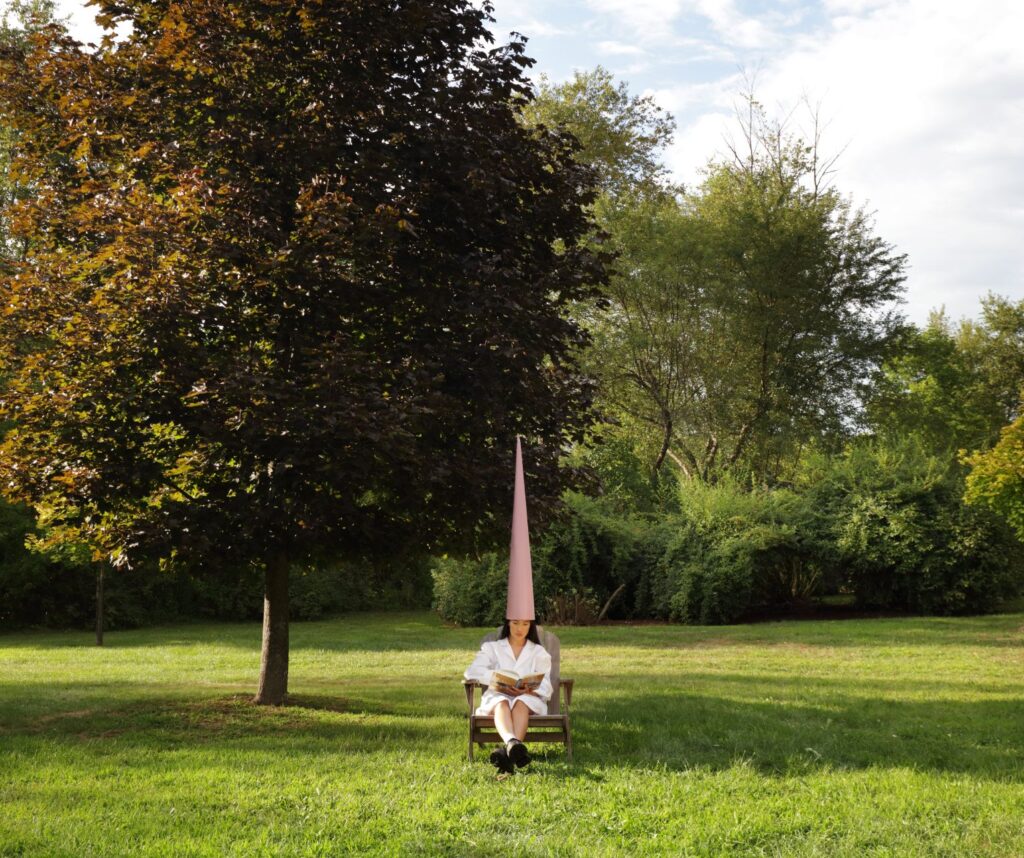
In that quiet, ideas don’t need to be chased. They arrive on their own. Even brief moments in nature – listening to running water, standing barefoot on the ground, lying beneath a tree – can shift your internal state enough for creativity to return.
Creative flow: Preparation not pressure
One of the most revealing aspects of Abramović’s practice is how seriously she treats preparation.
Before major performances, she adjusts how she eats, sleeps, moves and speaks. Not because these rituals guarantee success, but because they create the conditions for presence.
Creative flow, in this sense, is not accidental. It is the result of respecting energy.
If you want to get into flow more consistently, the question is not how to push harder, but how to support your attention, your body and your time.
Entering flow rather than chasing it
Perhaps the most important shift Abramović invites us to make is this: stop pursuing creative flow as a result.Flow is not something you achieve. It is something you enter.
When you slow down enough to be fully present, when thinking quietens, when the body feels grounded, creativity moves naturally. Effort gives way to attention. Forcing gives way to allowing.
As Abramović puts it, creative energy cannot be forced – but it can be facilitated. And once you understand that, creative flow becomes less mysterious, and far more accessible.
Practice Marina’s methods to free your mind and live with purpose – from calming daily exercises to deeper rituals for self-awareness, in her course.


