Managing anxiety in daily life isn’t about eliminating it completely.
It’s about understanding how it shows up for you – in your thoughts, your body, and your behaviours – and learning how to respond in a way that feels steadier and more manageable.
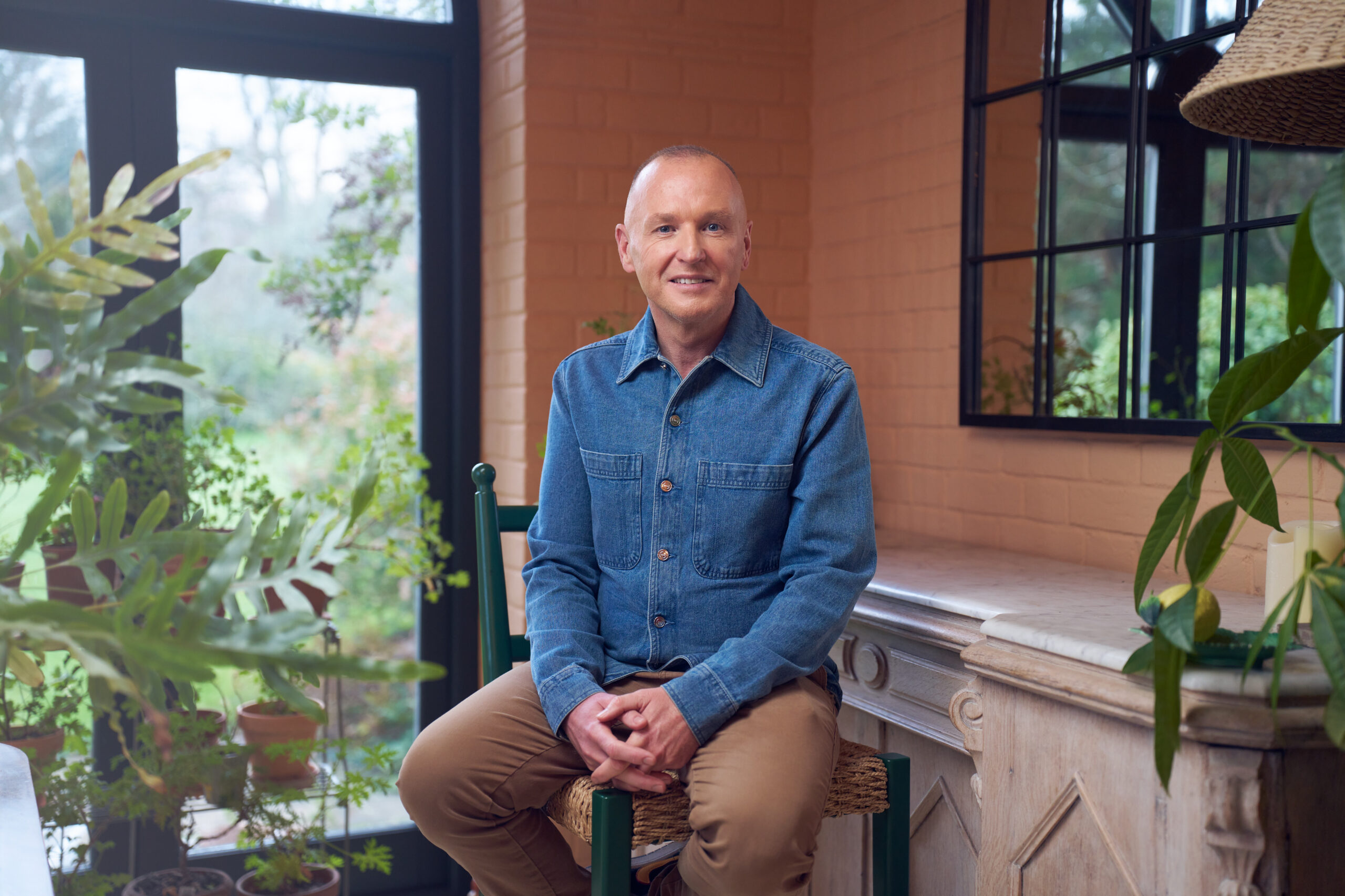
In his online course A Life Less Anxious, psychotherapist Owen O’Kane shares practical ways to work with anxiety, rather than against it.
Why anxiety can feel hard to manage
Anxiety doesn’t just appear in big moments. It often shows up in the ordinary parts of your day – during conversations, while working, when making decisions, or even when you’re trying to relax.
Owen explains that anxiety can become part of your internal “baseline”, meaning it feels present even when nothing obvious is wrong.
This is why it can feel persistent. Not because something is always happening, but because your mind and body have become used to operating in that state.
Understanding your anxious patterns
One of the most helpful starting points is recognising your own patterns.
Anxiety doesn’t look the same for everyone. For some, it shows up as overthinking. For others, it might be avoidance, irritability, or feeling constantly on edge.
Owen highlights that anxious patterns are often shaped by underlying beliefs, such as:
- Needing to be in control
- Wanting certainty
- Holding yourself to very high expectations
These patterns can drive how you think, feel, and respond throughout the day.
The more aware you become of them, the more choice you have in how you respond.
How to manage anxiety in daily life
These approaches are designed to fit into your everyday routine.
1. Build awareness into your day
Managing anxiety starts with noticing it earlier. Instead of only checking in when things feel overwhelming, try pausing at different points in your day.
You might ask:
- What am I feeling right now?
- What thoughts are present?
This helps you stay connected to what’s happening, rather than being carried along by it.
2. Step back from anxious thoughts
“The anxious thoughts that play around in your head and mess with your mind? They are not who you are,” says Owen.
Not every thought needs your attention. Anxious thoughts can be persistent, but engaging with them – trying to solve or analyse them – can keep the cycle going.
Learning to step back, rather than dive in, can reduce their impact.
3. Focus on small, manageable actions
Anxiety often pulls your attention towards uncertainty.
Bringing your focus back to what you can do right now – even something small – can help you feel more grounded.
This might be:
- Completing a simple task
- Focusing on one thing at a time
- Taking a short break
These actions create a sense of stability in your day.
4. Gently reduce avoidance
Avoidance can feel like relief in the moment. But over time, it can reinforce anxiety – making situations feel more difficult than they are.
Owen encourages taking small, manageable steps towards what feels challenging, rather than avoiding it completely.
5. Change how you respond to yourself
The way you speak to yourself matters. Self-criticism can increase pressure, while a more understanding approach can ease it.
Owen emphasises that anxiety isn’t a flaw – it’s part of being human: “I want to stress from the outset that being anxious doesn’t make you a problem. It simply makes you a human being.”
Responding with curiosity instead of judgement can shift how anxiety feels in everyday life.
Managing anxiety in daily life isn’t about removing it completely. It’s about learning how to understand it, respond to it, and move through your day with more awareness and steadiness.
If you want to go deeper, explore A Life Less Anxious by Owen O’Kane. Across 22 lessons, you’ll develop a clearer understanding of your anxiety, with practical tools to help you manage it in everyday life.
Quick answer: how to manage anxiety in daily life
Managing anxiety in daily life starts with understanding how it shows up for you and responding with awareness, rather than reacting automatically.
From Owen O’Kane’s A Life Less Anxious, key ways to manage anxiety include:
- Building awareness of your thoughts and feelings throughout the day
- Stepping back from anxious thinking rather than engaging with it
- Focusing on small, manageable actions you can control
- Gently reducing avoidance over time
- Responding to yourself with more understanding and less judgement
These small, consistent shifts can help anxiety feel less overwhelming and more manageable in everyday life.


