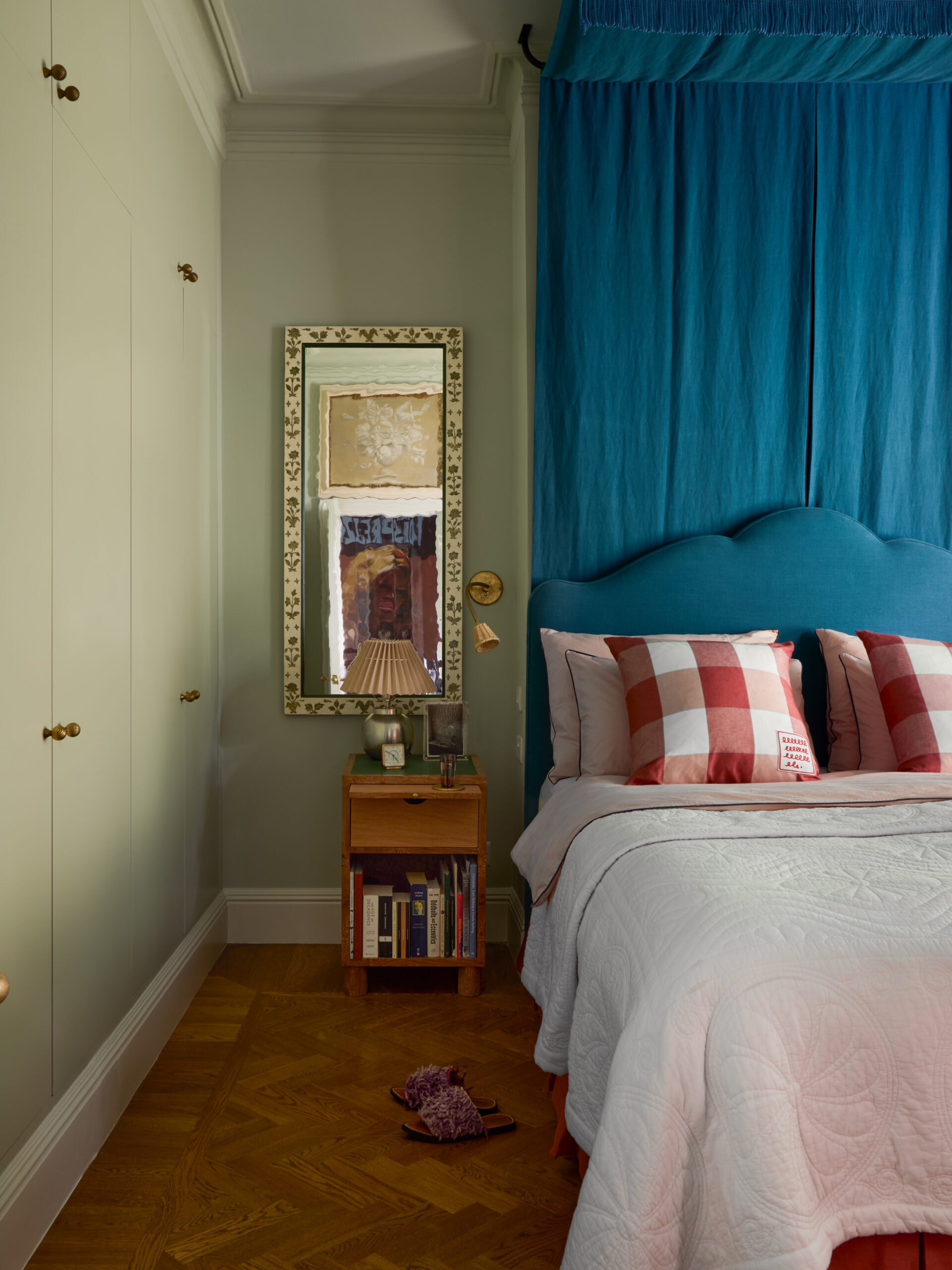
Creating a beautifully designed home involves more than just choosing the right furniture.
The right combination of rugs, paint, and wallpaper can transform a space, making it feel warm, cohesive, and stylish. Thoughtful planning ensures that these elements work together harmoniously, enhancing both function and taste.
Whether you’re embarking on a full home makeover or refreshing a single room, these home decorating tips will help guide your design choices.
The 7 elements of interior design
Creating a well-balanced and visually appealing space requires an understanding of the seven core elements of interior design. These principles help bring harmony, functionality, and aesthetic appeal to any space, ensuring it feels cohesive and thoughtfully curated.
- Space – The foundation of all interior decorating, space considers both positive and negative areas to maintain balance. Positive space refers to the area occupied by furniture, décor, or architectural elements. Negative space refers to
empty or unoccupied areas around and between objects. Proper use of space ensures a room doesn’t feel too cluttered or too sparse.
- Line – Structural lines – horizontal, vertical, and dynamic – guide the eye and influence the mood of a space. Horizontal lines create a sense of stability, vertical lines evoke height and formality, while dynamic lines add energy and movement.
- Form – The shape and silhouette of furniture, décor, and architectural features impact the balance and flow of a space. Organic forms (curved, natural) soften a room, while geometric forms (sharp, angular) create a more structured and modern aesthetic.
- Light – Both natural and artificial lighting play a crucial role in setting ambiance, highlighting design elements, and influencing how colours appear. Layered lighting (ambient, task, and accent) enhances functionality while adding depth to a space.
- Colour – Colours set the tone of a room and should complement its function and aesthetic. Warmer tones create coziness, while cooler hues bring calmness. Colour psychology plays a key role in how a space makes people feel.
- Texture – Combining smooth, rough, soft, and hard textures creates depth and tactile interest, preventing a space from feeling flat. Layering different materials –such as wood, metal, glass, and fabric – adds richness and character.
- Pattern – Patterns introduce visual engagement, movement, and personality to a space. They can be incorporated through wallpaper, rugs, upholstery, and decorative elements, adding contrast and dynamism when used thoughtfully.
By mastering these seven elements, you can design interiors that are not only beautiful but also well-balanced, functional, and inviting. Now, let’s explore some practical interior design tips to help bring your vision to life.
10 essential interior design tips
Here we’ll dive into ten interior design suggestions, focusing on colour, fabrics, and furniture.
- Choose a paint based on room orientation
Paint colour is one of the most powerful tools in interior decorating, and the way it appears changes depending on the direction a room faces. North-facing rooms often have cooler natural light, making warm tones like soft beige, terracotta, or warm white a better choice. South-facing rooms, which receive abundant sunlight, can handle cooler hues like light blues and greys.
Testing paint samples in different lighting conditions throughout the day ensures that the colour remains visually pleasing at all times.
2. Lean into dark colours for small rooms
Contrary to popular belief, small or dimly lit rooms don’t always benefit from light colours. Darker shades can enhance the coziness and embrace the moodiness of the space, making it feel more intentional.
Deep navy, forest green, or charcoal can add drama and character while making the room feel intimate and stylish. The key is to balance dark walls with lighter elements, such as light-coloured furniture and strategically placed lighting, to prevent the space from feeling too enclosed.
3. Wallpaper: Live with a sample before committing
Wallpaper is a fantastic way to introduce texture and pattern into a space, but committing to an entire wall can feel daunting.
Some wallpaper patterns may seem striking initially but could become overwhelming over time. Keep a sample in the room for a few days to see how it interacts with the rest of your home decor and how you feel about it after some time.
This method helps you make an informed decision that you won’t regret later.
4. Layer fabrics for a tactile experience
Fabric choice isn’t just about colour – it’s about how materials feel and interact. Mixing linens, wools, velvets, and leathers can add richness and depth to a room. A linen-covered sofa with plush wool cushions, a mohair-upholstered chair, or a textured wool rug underfoot all contribute to an inviting and layered look. Experiment with fabric swatches to discover what combinations resonate with your aesthetic.
Fabric is your best opportunity to play with colour and texture.
Beata Heuman, Interior Designer
5. Rugs: Use patterns to add visual movement
When selecting a rug, consider how its pattern interacts with the furniture and other elements in the room.
If your furniture is neutral, a bold patterned rug can inject personality, whereas a solid-coloured rug can provide balance in a busier space.
Patterns play a crucial role in interior decor by directing the eye and creating movement within a space. A rug with a subtle, unpredictable pattern allows the eye to travel and explore the room. Persian and vintage rugs, for instance, add depth and texture without overwhelming the interior decoration.
6. Use contrast to enhance character
Contrast is a key tool in interior design advice. It creates visual interest, depth, and energy in a space. This can be achieved through a mix of textures, materials, or colours. A dark floor against light walls, a rough wooden table beside a sleek metal lamp, or antique furniture mixed with modern elements can all add character. Experiment by placing different items together and adjusting until the space feels balanced
7. Uplift walkways with textured wallpaper
Textured wallpapers, such as woven seagrass, add an organic feel to a space. They work particularly well in hallways and staircases, which are susceptible to scratches, scrapes and blemishes.
Unlike plain painted walls, textured wallpaper can conceal minor imperfections while creating a layered, sophisticated look. If you’re hesitant about bold patterns, textured wallpaper is a safe yet stylish alternative that adds dimension without overpowering the room.
8. Rugs: Consider the pile thickness
A rug is more than just a decorative piece – it needs to work within the physical space of your home. When choosing a rug, always account for the thickness of the pile in relation to door swings.
A thick rug may add warmth and plushness underfoot but can interfere with door movements or create a tripping hazard in high-traffic areas. In entryways and dining rooms, opt for low-pile rugs to maintain functionality while still adding a stylish touch.
9. Layering rugs
Layering is a stylish and practical technique that enhances the richness of a room. It allows you to experiment with texture and colour without committing fully to one bold choice.
Imagine a large, natural fibre rug in the centre of a room, creating a neutral base. Overlay a smaller, patterned rug on top and it’ll add warmth and bring more vibrancy to the room.
Additionally, consider mixing different shapes of rugs, such as placing a circular rug over a rectangular one to create an eye-catching contrast. This approach works well in living rooms and bedrooms, where layered rugs can define separate zones in open-plan spaces.
10. Create a sense of place
Remember, a well-designed space should feel like a natural extension of its location and history.
Consider the age and architectural style of your home when choosing materials and decor. A London townhouse may call for a different design approach than a coastal cottage. Incorporating elements that reflect the surrounding environment or history will create a more cohesive and timeless space.
With these insights, you’re well on your way to designing a space that feels stylish, comfortable, and truly yours.
Remember, the best home decorating tips focus on both aesthetics and practicality. Take the time to choose elements that not only look great but also work well for your lifestyle.
Gain expert guidance from Beata Heuman’s BBC Maestro course on Interior Design.
Throughout the journey, you’ll learn how to create spaces that are personal, stylish, and timeless, all while honing your design instincts with one of the industry’s most respected professionals.


